 Blog Home
Intent Data: What It Is and How to Use It
Learn what intent data reveals about buyer behavior and how to use it to identify high-value prospects, personalize outreach, and close more deals faster

Our most recent articles
Most merchants have more traffic data than they know what to do with, yet they still can't answer the most basic question: what do my shoppers actually want?
Third-party cookies are disappearing. iOS tracking is blocked by default. GDPR enforcement has turned cross-site tracking into a legal minefield. Traditional analytics platforms can tell you how many people visited your product page, but they can't tell you who is ready to buy or what specific items they're considering.
Intent data solves this problem by capturing the exact moment a shopper signals interest in a specific product. This is the layer between anonymous browsing and checkout. It reveals not just who visited, but who saved a navy blazer in size 8, who requested an alert when the ceramic vase restocks, and who has viewed the same sofa three times across two devices.
Without intent capture, merchants are stuck in an expensive cycle of reacquiring the same customer over and over because they can't maintain context between sessions.
What Is Intent Data?
Intent data refers to behavioral signals that indicate a shopper's likelihood to purchase a specific product. These signals include product saves, back-in-stock subscriptions, price drop alerts, add-to-cart events, and repeat product views.
The key word here is specific. Intent data doesn't just track that someone browsed your site. It tracks that they saved a leather jacket in medium, requested a restock alert for rose gold earrings, or viewed the same dining table four times over two weeks.
This specificity separates intent data from aggregate analytics. Page views tell you what content is popular. Purchase intent tells you what individual shoppers are planning to buy.
Types of Intent Signals in Commerce
Intent data operates at the intersection of two types of signals: behavioral and declared.
- Behavioral intent captures what shoppers do without explicitly telling you. This includes browsing patterns, repeat visits to the same product, time spent on product detail pages, and add-to-cart actions. These signals are passive but powerful when tracked over time.
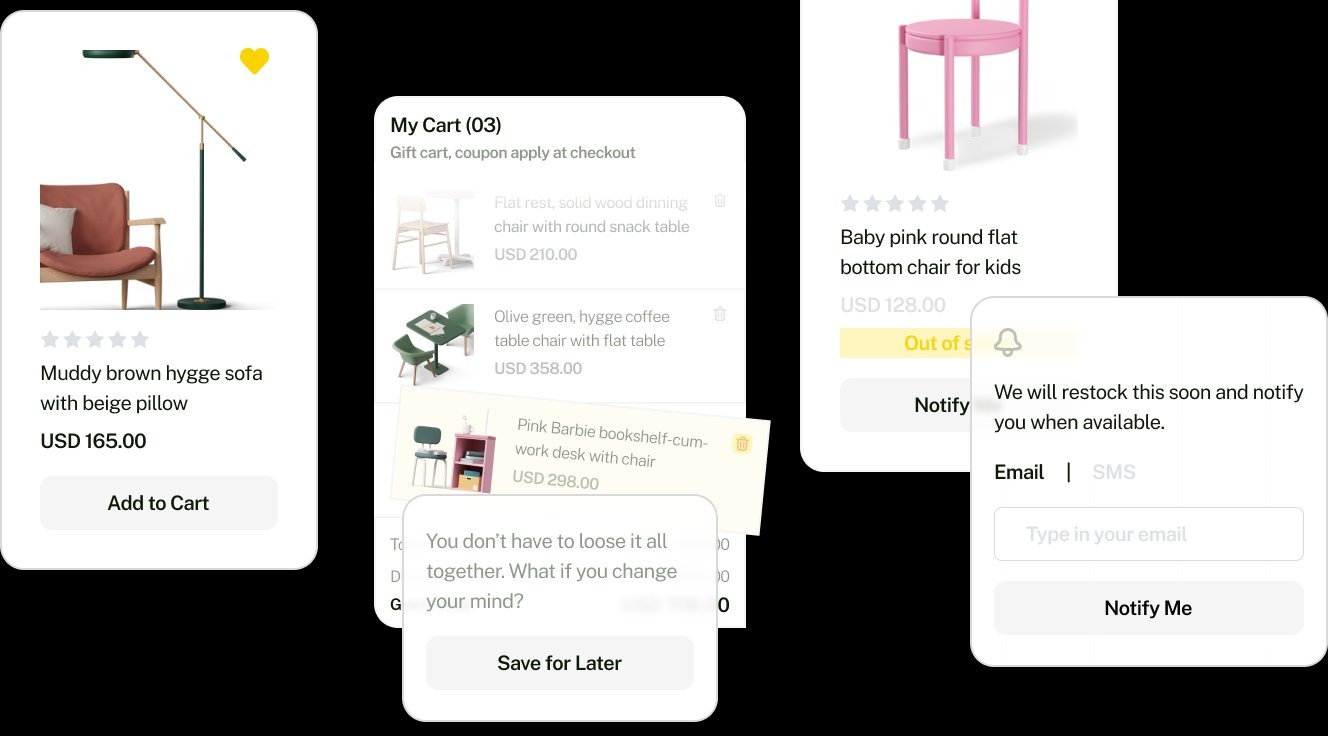
- Declared intent captures what shoppers explicitly request. When someone saves a product to a wishlist, subscribes to a back-in-stock alert, or opts into a price drop notification, they are telling you exactly what they want. This is consent-based, high-confidence intent.
Disclaimer: Commerce intent data is fundamentally different from B2B intent tracking. While B2B intent data focuses on account-level engagement signals like whitepaper downloads and webinar attendance, commerce intent data tracks individual product interest at the SKU or variant level.
How Intent Data Differs from Other Data Types
The data landscape is crowded with terms that sound similar but function very differently.
- Third-party data refers to tracking shoppers across the web via cookies placed by advertisers and data brokers. This model is dying due to privacy regulations and browser restrictions. Even if it still worked, you don't own this data. The moment the tracking stops, your visibility disappears.
- First-party data includes behavioral information you collect directly on your own site. This covers page views, session duration, click patterns, and navigation paths. You own this data, which makes it durable. The limitation is that it's mostly passive. High traffic to a product page doesn't tell you if visitors are serious buyers or just browsing.
- Zero-party data is information shoppers voluntarily share with you. This includes preferences, favorites, alert subscriptions, and quiz responses. It's the gold standard because it's both explicit and consent-based. A shopper who tells you they want size 8 shoes in black has given you permission to act on that information.

Intent data sits at the intersection of first-party and zero-party data. It captures passive behavior like repeat product views and active declarations like wishlist saves. This combination gives you visibility into specific product interest while respecting privacy boundaries.
The practical difference comes down to actionability. Traffic data tells you what happened. Intent data tells you what might happen next.
Examples of Common Intent Signals
As we’ve seen, not all signals carry the same weight. A single product view means something different than a save-to-wishlist action, which means something different than a back-in-stock alert subscription.
High-intent signals indicate serious consideration
These are actions that require effort and often involve future planning.
- Product saves to wishlists are the clearest high-intent signal. A shopper who takes the time to create a list is curating products for a future purchase. They've moved past casual browsing into active evaluation.
- Back-in-stock alert subscriptions reveal explicit purchase intent for items that aren't currently available. A shopper who opts in is saying they will buy this product if you can get it back in stock. Data from Dubarry of Ireland shows these alerts convert at a 79% open rate.
- Price drop alert requests indicate a shopper is ready to buy but waiting for better timing. They've already decided they want the product. They're just managing their budget.
- Add-to-cart events, even if the cart is later abandoned, show a shopper has reached the consideration stage. They've selected the right size, color, and quantity. Something stopped them from completing checkout, but the intent is clear.
- Repeat product views across multiple sessions are a strong indicator when the same shopper returns to view the same item three or more times. This pattern suggests ongoing evaluation rather than casual interest.
Medium-intent signals
They show engagement but not immediate purchase readiness.
- Category browsing across multiple sessions indicates a shopper is researching options within a product category. They're in the discovery phase, comparing features and styles.
- Comparison shopping behavior, where a shopper views multiple similar products in quick succession, shows they're narrowing down their options. They know what category they want but haven't committed to a specific item.
- Reading reviews or diving into detailed product descriptions signals a shopper is doing their homework. They're past the "just looking" stage but still gathering information.
- Sharing products via social media or email can indicate gift-giving intent or the desire for external validation before buying.
Low-intent signals
They represent awareness-stage behavior.
- Single product views without follow-up action are the baseline. Most of your traffic falls into this category. It's normal browse behavior with no clear signal of purchase intent.
- Homepage visits and general category browsing on a first visit are exploratory. The shopper is getting oriented and hasn't focused on specific products yet.
The power of intent data comes from reading these signals in combination. These buying signals act as early indicators that a shopper is moving toward a purchase decision. A shopper who views a product once is different from one who views it three times, saves it to a wishlist, and subscribes to a price drop alert. Effective intent capture requires tracking multiple intent signals across sessions to build a complete picture of shopper interest.
Why Intent Data Matters Now
The average purchase journey has stretched to 41 days. During that window, a shopper will interact with your brand across 6 to 8 distinct touchpoints, moving between mobile, desktop, social media, email, and sometimes even physical retail.
Each of these touchpoints represents a moment where context can be lost. A shopper saves three items on their phone during a lunch break but finds an empty screen when they open their laptop at home. A customer browses in-store but doesn't buy, then forgets what they were considering by the time they check your website a week later.
This fragmented journey creates what researchers call latent shopper intent. The interest exists. The purchase desire is real. But without a system to capture and maintain that context across sessions, the momentum dies.
Third-party tracking used to paper over this problem. A decade ago, merchants could follow shoppers across the web using a surplus of cookies that mapped every click. Today, that infrastructure is gone.
Apple's App Tracking Transparency prompts block most mobile tracking. Chrome is phasing out third-party cookies entirely. GDPR and CCPA have made cross-site tracking legally risky.
Customer acquisition costs are climbing at the same time. Paid search and social ads are more expensive than ever, and the return on that spend drops when you can't maintain context with the shoppers you've already paid to acquire.
Getting an existing interested shopper to convert is more profitable than buying cold traffic. Intent data gives you the infrastructure to do exactly that.
How to Collect Intent Data
Capturing intent requires infrastructure that tracks behavior across sessions and devices while respecting shopper privacy.
On-site intent capture starts with features that encourage shoppers to declare their interest.
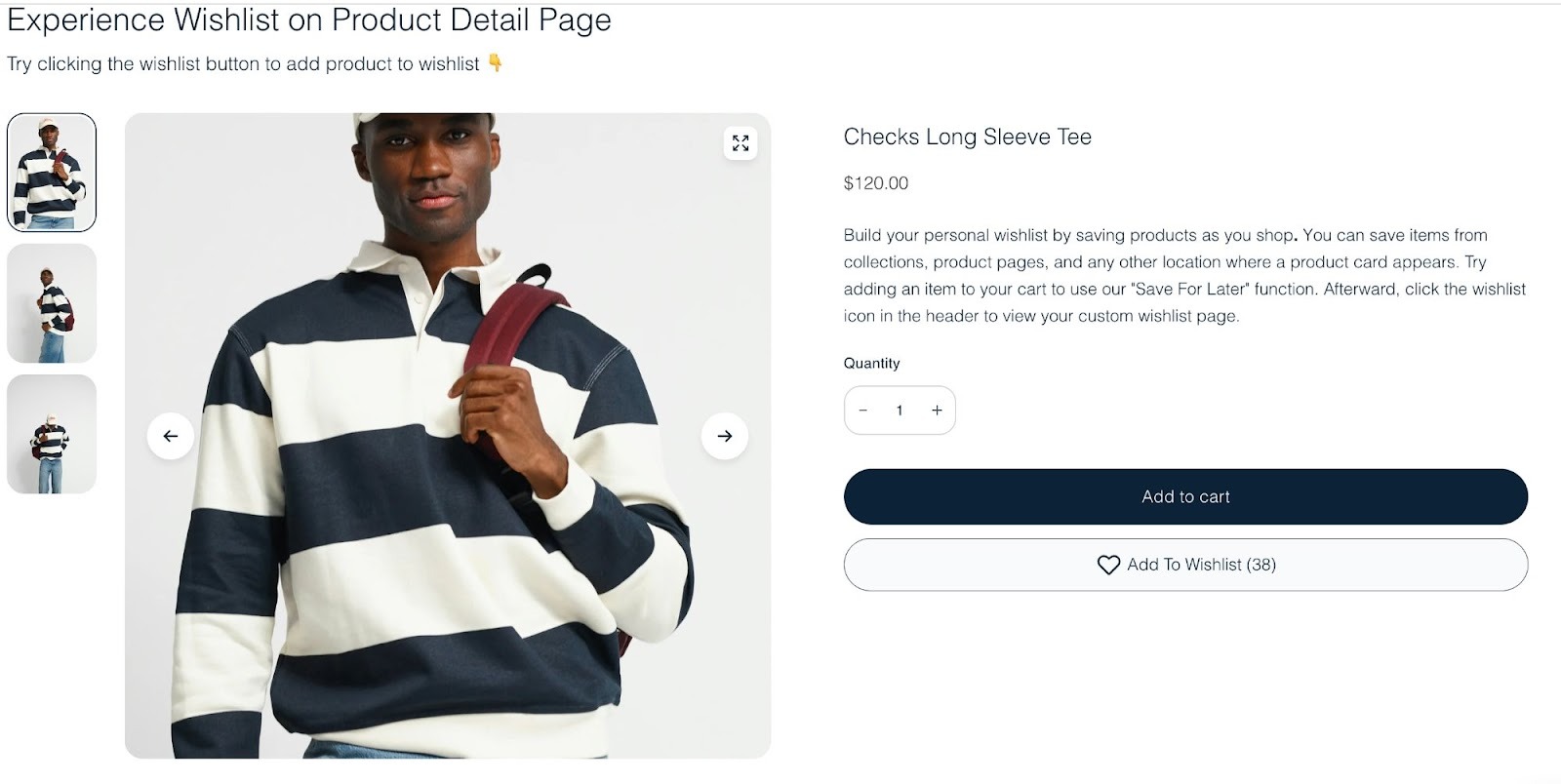
- Wishlist functionality with cross-device sync is the foundation. A wishlist platform acts as the primary engine for capturing declared intent by letting shoppers save products they're considering. The critical requirement is that saved items must follow the shopper across devices. A list created on mobile must appear when that same shopper logs in on desktop or browses as a guest using the same email.
- Back-in-stock and price drop alert subscriptions capture explicit interest in products that aren't immediately purchasable. These opt-ins are consent-based by design. The shopper is volunteering their email or phone number in exchange for notification about a specific product.
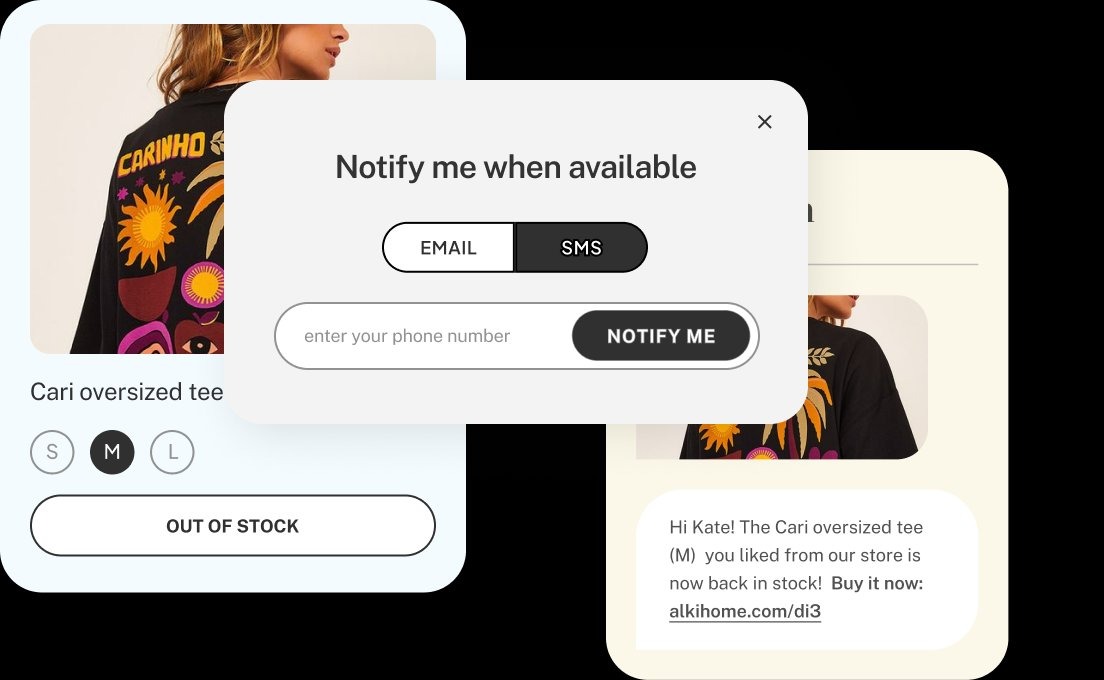
Back in stock notification form showing email signup for out of stock product alert
- Repeat product view monitoring identifies patterns over time. A shopper who views the same dining table four times across three sessions is exhibiting high intent even if they haven't saved or subscribed to anything.
- Cross-channel intent capture ensures context follows the shopper regardless of where they interact with your brand. A customer who creates a wishlist online should see that same list when a store associate pulls up their profile on a tablet. This continuity eliminates the friction of having to re-explain what they're looking for.
- Connecting intent signals to email and SMS platforms allows for automated triggered campaigns. When a saved product drops in price, the shopper who wishlisted it should receive an alert within hours. This requires real-time data sync between your intent capture tools and your ESP.
- Using intent data to build suppression lists in Meta and Google ads prevents wasteful retargeting. If a shopper has already saved a product and subscribed to a restock alert, there's no reason to spend money showing them generic ads. Send them a direct email or SMS instead.
How to Activate Intent Data
Collection is only half the equation. The value of intent data comes from acting on it in real time.
Automated triggered campaigns turn intent signals into revenue without manual intervention.
- Back-in-stock emails trigger the moment a saved product restocks. Data shows these messages achieve a 79% open rate and generate a median of 63 dollars in revenue per alert. The specificity matters. A shopper who requested an alert for rose gold earrings should only receive the email when that exact variant is available, not when the silver version restocks.
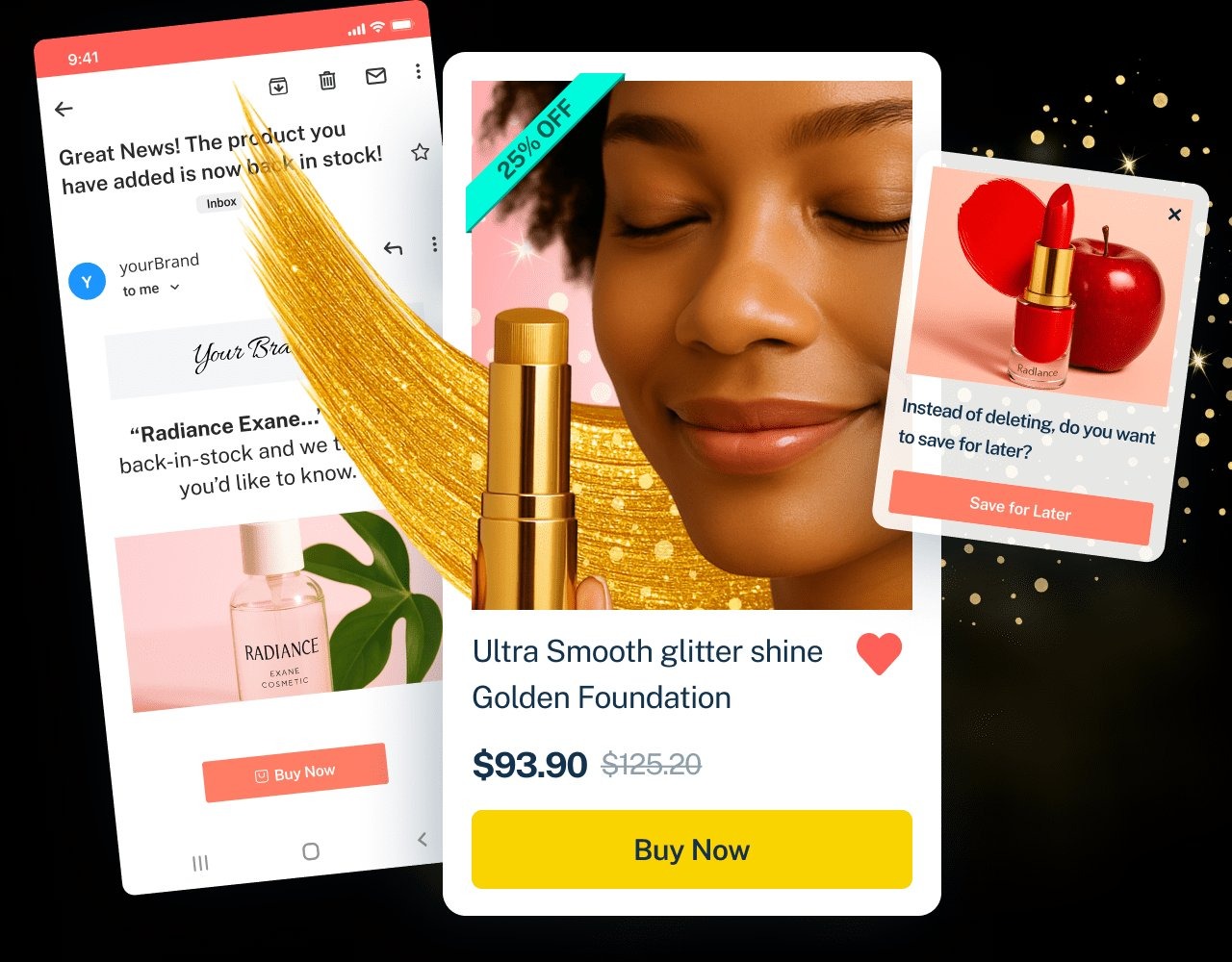
- Price drop alerts notify shoppers when wishlisted items go on sale. This allows merchants to drive targeted promotions without broadcasting store-wide discounts. You're only reaching shoppers who have already expressed interest in the discounted item.
- Wishlist reminder emails re-engage shoppers who saved products but haven't returned to purchase. The message can highlight items that are low in stock or pair saved products with complementary recommendations.
Segmentation and personalization transform intent data into strategic audience targeting.
- Creating high-intent segments allows you to treat shoppers differently based on their behavior. A shopper with 12 saved items who has visited five times in two weeks deserves VIP treatment. They're close to a big purchase and shouldn't be lumped in with first-time browsers.
- Personalizing homepage and email content based on saved products creates a tailored experience without complex recommendation algorithms. If a shopper has saved three mid-century modern chairs, your homepage hero should feature similar styles rather than generic best-sellers.
- Suppressing ad spend on shoppers who have already signaled intent is a cost-saving measure. Meta and Google retargeting campaigns are expensive. If a shopper has saved a product and subscribed to a price drop alert, they don't need to see ads. Send them an email instead and save the ad budget for cold traffic.
Predictive actions use aggregated intent data to inform operational decisions.
- Forecasting demand based on save rates and alert subscriptions gives you advance warning of what will sell. If 200 shoppers have subscribed to back-in-stock alerts for a specific lamp, you know there's strong demand before the restock even happens.
- Identifying products with high save rates but low stock levels prevents lost sales. If a product is getting saved frequently but your inventory is low, that's a signal to reorder before you run out.
- Triggering proactive restocks based on alert subscription volume turns intent data into inventory strategy. You're not guessing what to reorder. You're responding to explicit shopper demand.
Intent Data and Privacy
Intent data collection must be consent-based and transparent to avoid privacy violations and maintain shopper trust.
Best practices start with making features opt-in by design.
Wishlist and alert tools are naturally permission-based. A shopper who saves a product or requests an alert is explicitly giving you permission to track that interest and follow up. There's no hidden tracking or cross-site surveillance involved.
Clear communication about data use builds trust. Your privacy policy should explain what intent data is collected, how it will be used to improve the shopping experience, and how shoppers can delete their saved items if they choose.
Storing intent data in compliance with GDPR and CCPA is non-negotiable. This includes providing easy mechanisms for shoppers to access their data, request deletion, or opt out of future communications.
Giving shoppers control over their saved items and preferences reinforces the permission-based nature of intent capture. A shopper should be able to remove products from their wishlist, unsubscribe from alerts, or clear their entire saved list with a single click.
The privacy advantage of intent data is often overlooked. Unlike third-party tracking, which operates invisibly in the background, intent data is collected through features shoppers actively engage with. A wishlist save or a back-in-stock subscription is a transparent exchange. The shopper gets a tool that helps them shop, and you get data about their product preferences.
This makes intent data more durable than cookie-based tracking and less invasive than behavioral retargeting. It's also more valuable because the data is tied to explicit actions rather than inferred from passive browsing.
Intent Data with Swym
Swym captures intent at the moment it occurs, turning casual interest into actionable data that follows the shopper across every touchpoint.
Swym's core functionality centers on three intent-capture mechanisms: wishlist saves, back-in-stock alerts, and save-for-later cart features. Each of these tools collects zero-party data with explicit shopper consent.
With it, you own the context. You know what your shoppers want before they're ready to buy, and you have the tools to stay connected throughout, from discovery to checkout.
Capture the Products your Shoppers Truly Love
Swym Wishlist Plus lets shoppers save products they love, ensuring valuable customer intent is never lost and ready to convert.


.jpg)