 Blog Home
Customer Intent: How to Capture and Activate It
Learn how to identify customer intent, capture buying signals, and turn insights into action that drives conversions and revenue growth

Our most recent articles
Brands pay thousands to generate traffic, but 97% of shoppers leave without buying.
The reason isn't lack of interest. It's that their intent was never captured.
A shopper who saves a product, requests a restock alert, or adds three items to a cart is telling you exactly what they want. Most merchants ignore these signals entirely, then spend more money re-acquiring the same person through ads.
This guide explains what customer intent actually is, how to capture it without adding complexity to your stack, and how to activate it so shoppers can resume their journey without starting from scratch.
What Is Customer Intent?
Customer intent is any signal that reveals what a shopper wants to buy before they commit to a transaction.
It's a measurable action that indicates purchase consideration.
Saving a product to a wishlist is customer intent. Signing up for a back-in-stock alert is customer intent. Viewing the same item three times across two devices is customer intent.
These signals tell you what the shopper is planning to buy. The only question is whether you capture them and act on them, or let them dissolve when the session ends.
Why Customer Intent Matters More Than Traffic
Acquiring traffic is expensive.
If a shopper's intent isn't captured during their first session, you lose the context they built. The next time they visit, they're starting from scratch. You're forced to re-acquire them through ads, even though they already told you what they wanted.
Research shows that shoppers now require multiple touchpoints before a sale, often 6 to 8 interactions across devices and channels.
Intent capture is what stitches those touchpoints into a single journey. Without it, each session is a fresh start, and the merchant pays acquisition costs repeatedly for the same customer.
The alternative is simple. Capture what the shopper wants on their first visit, sync it across their devices, and remind them when the barrier to purchase is removed. This approach recovers revenue that was already in motion.
The Two Forms of Customer Intent
Customer intent shows up in two distinct ways. Both are actionable if you have the infrastructure to capture them.
Explicit Intent
Explicit intent is a direct, voluntary action. The shopper tells you what they want.
Wishlisting a product is explicit intent. Subscribing to a price drop alert is explicit intent. Creating a gift registry is explicit intent.
These are zero-party data signals. The shopper has given you consent and specificity. They've told you the exact product, variant, and often the condition under which they'll buy.
Explicit intent is the clearest form of purchase intent because there's no interpretation required. The shopper has already done the work of signaling readiness.
Behavioral Intent
Behavioral intent is indirect. It's revealed through patterns.
Viewing a product five times across three sessions is behavioral intent. Adding an item to the cart, then removing it to browse other options, is behavioral intent. Spending four minutes on a product page reading reviews is behavioral intent.
These behavioral intent signals require tracking and interpretation, but they're still powerful when captured systematically.
The best merchants layer behavioral tracking on top of explicit tools. Not every shopper will click a wishlist button, but every shopper leaves breadcrumbs. The key is recognizing those breadcrumbs as intent and building workflows around them.
How to Capture Customer Intent
Capturing intent requires giving shoppers frictionless tools to bookmark their progress, and ensuring that progress persists across sessions and devices.
1. Enable On-Site Intent Tools
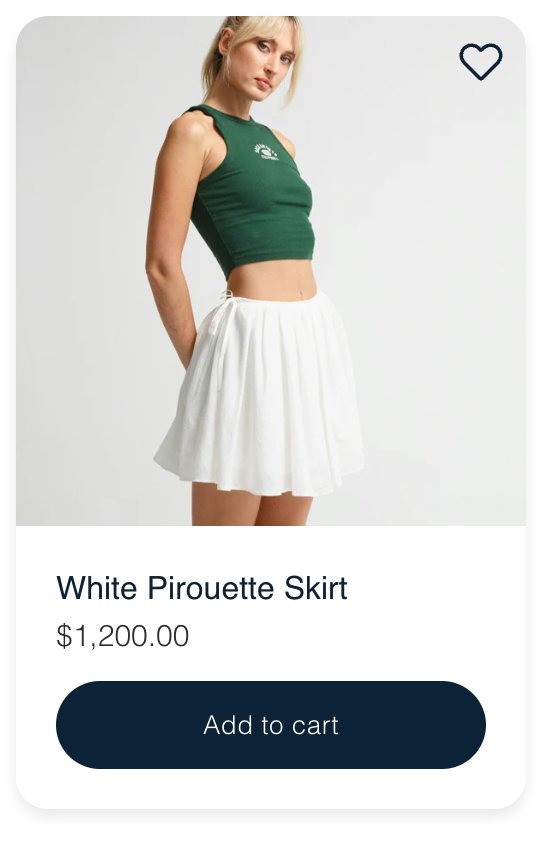
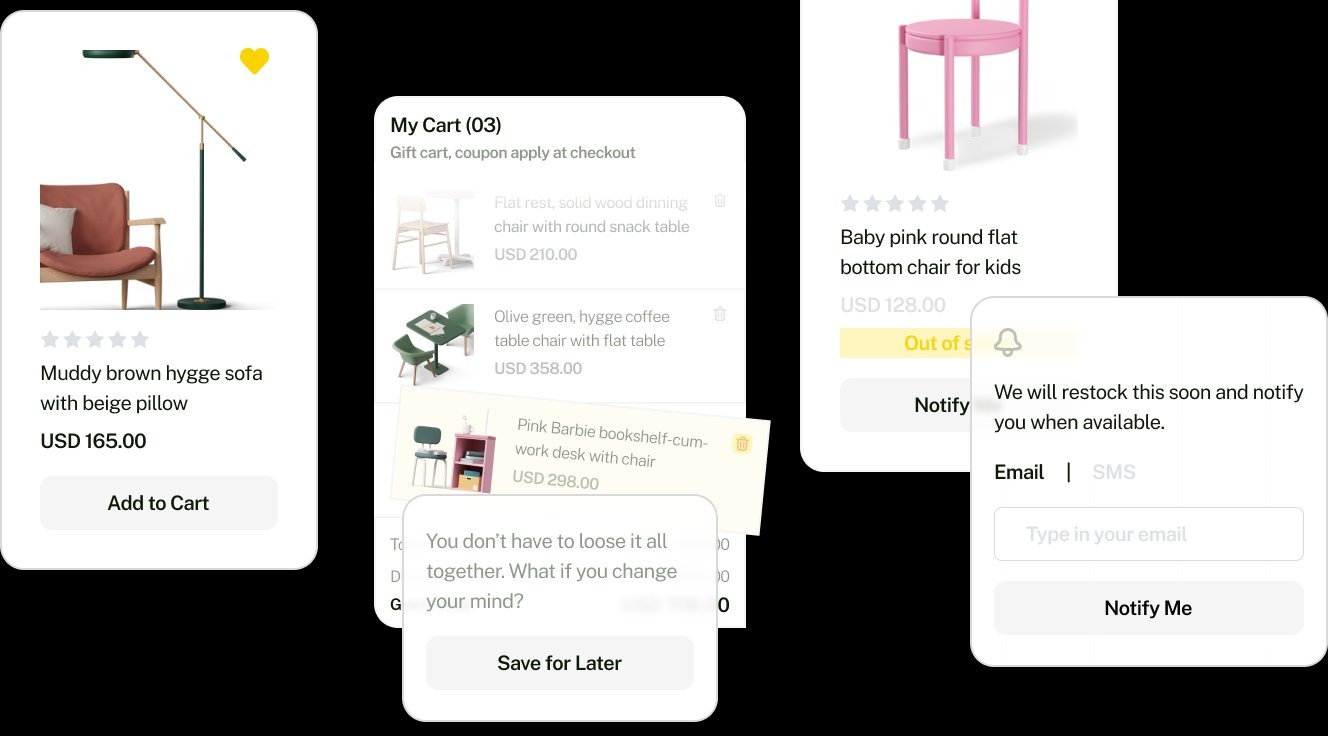
Features like wishlists and save-for-later buttons let shoppers bookmark products they're considering. The act of saving is the signal.
When a shopper adds an item to a list, they're telling you they want it but aren't ready to buy yet. This is purchase-ready intent that just needs the right trigger to convert.
The most effective way to capture customer intent with wishlist features is to make saving frictionless and synced across devices. A saved item should follow the shopper everywhere they go.
2. Offer Product Alert Subscriptions
Features like back in stock alerts let shoppers subscribe to notifications for products they want but can't buy yet.
A shopper who signs up for a restock alert has told you the exact product, size, color, and price point that will convert them. This is explicit intent at its most actionable.
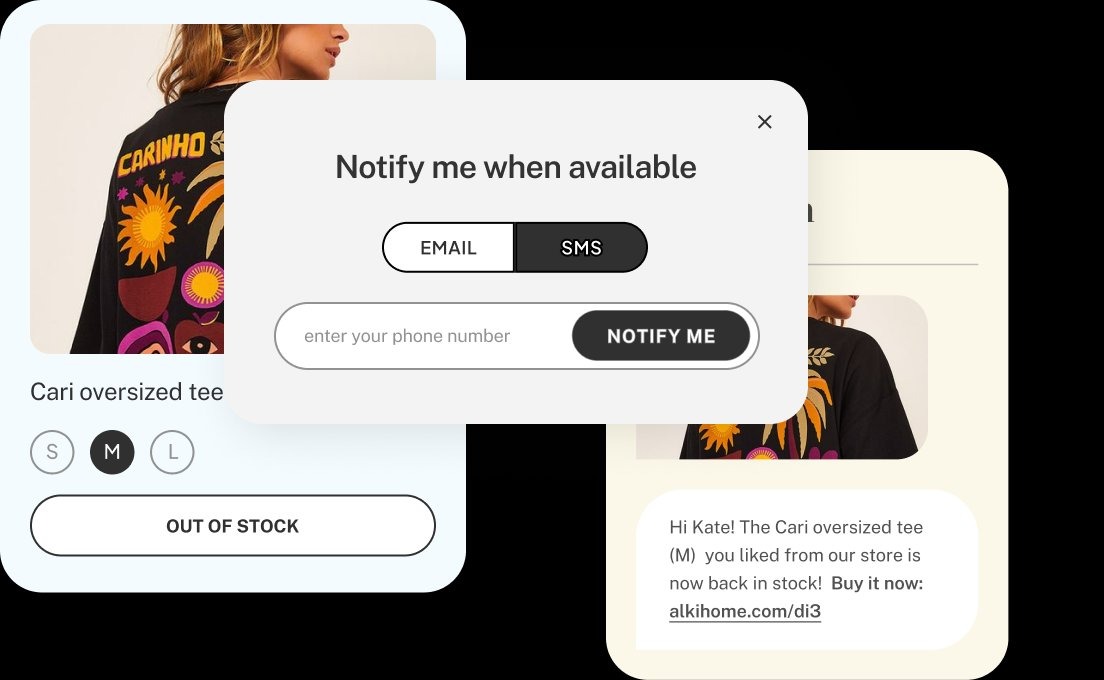
Price drop alerts work the same way. The shopper wants the item. They're just waiting for the price to hit their threshold.
3. Ensure Cross-Device Sync
Intent is only valuable if it persists. A shopper who saves three items on mobile but finds an empty list on desktop has lost their intent trail.
The journey resets. The context disappears. The merchant has to start over.
Cross-device sync ensures continuity. A saved item on a phone appears on a laptop and in-store via Shopify POS. The shopper can pick up exactly where they left off, regardless of which device or channel they're using.
This is essential for multi-touchpoint journeys where research happens on mobile and purchase happens on desktop, or vice versa.
4. Track High-Intent Behavioral Signals
Not all shoppers will use explicit tools like wishlists. Some browse, compare, and leave without saving anything.
Tracking behavioral signals creates a backup layer of intent data. Repeat product views, cart additions, time spent on specific pages, and size or color selections all indicate consideration.
The key is turning these signals into actionable triggers, not letting them sit in an analytics dashboard. If a shopper views a product three times in two weeks, that's a signal worth acting on.
How to Activate Customer Intent
The goal is automated, triggered engagement that respects the shopper's timeline rather than forcing immediate conversion.
1. Trigger Restock and Price Drop Alerts
Once intent is captured, automated alerts bring the shopper back at the exact moment their barrier is removed.
A shopper who subscribed to a back-in-stock alert gets notified the instant the product restocks. They don't need to check the site daily or search for the item again. The friction is eliminated.
These alerts perform because they're hyper-relevant. The shopper isn't being sold to. They're being notified that the item they already wanted is now available.
Data shows that Back-in-Stock alerts earn a median of $63 in revenue per alert. This approach unlocks latent shopper intent that would otherwise be lost to competing brands or forgotten entirely.
2. Send Intent-Based Reminder Campaigns
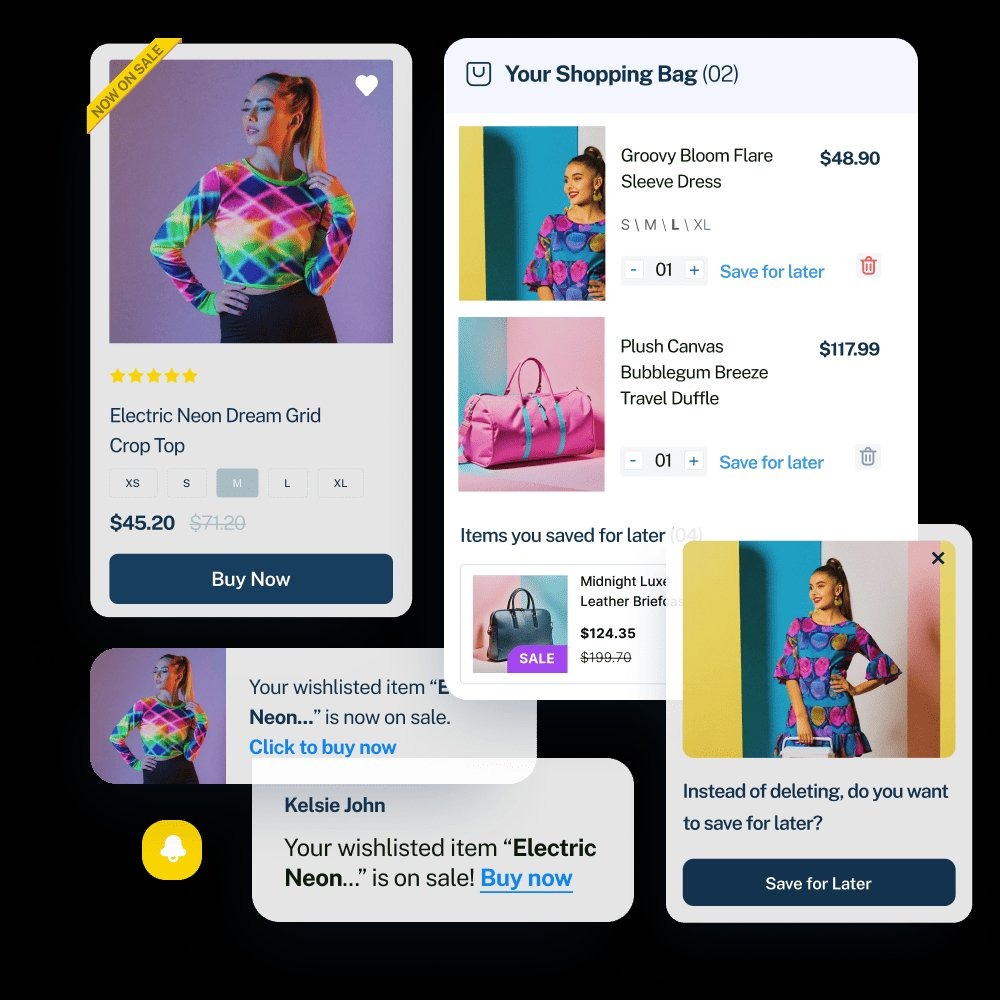
Shoppers who save items but don't return need gentle reminders. Automated wishlist reminder emails act as a breadcrumb trail, keeping the brand top-of-mind without being pushy.
The key is timing. Intent data allows merchants to trigger reminders at the exact moment when a shopper is most likely to convert.
Reminders should trigger based on inactivity thresholds. Seven days after saving an item, 14 days, 30 days…
3. Surface Intent Signals in Retargeting
Intent data can power more precise ad targeting. Instead of showing generic product carousels, brands can retarget shoppers with the exact items they wishlisted or browsed.
This increases relevance and reduces wasted ad spend.
The shopper sees an ad for the exact product they saved two weeks ago. The message is personalized, the timing is strategic, and the conversion rate is higher because the intent was already there.
4. Unify Intent Across Channels
Intent captured online should follow the shopper in-store. A shopper who saves items on their phone should be able to access that list when they visit a physical location.
This eliminates the friction of rebuilding context. The shopper doesn't need to remember what they were looking at or search for the items again. Their list is already there, synced via POS.
This approach increases basket density at the point of sale. The shopper buys the three items they saved online, plus two more they discover in-store.
Common Mistakes Merchants Make with Customer Intent
Most merchants understand that intent matters. Where they fail is in execution.
1. Treating Wishlists as a Feature, Not a Strategy
Many merchants add a wishlist button and assume the work is done. They've "enabled" wishlisting. Box checked.
Intent capture only drives revenue if it's connected to activation mechanisms. Alerts, reminders, cross-device sync. Without these, a wishlist is just a static list that shoppers forget about.
The feature needs infrastructure behind it. Otherwise, it's decoration.
2. Ignoring Behavioral Intent
Some merchants only focus on explicit signals. They track wishlist saves and alert sign-ups but miss the larger pool of shoppers who never click "save" yet show clear purchase consideration.
The brands that successfully turn window shoppers into buyers are the ones that treat browsing behavior as actionable intent.
A shopper who views a product five times across three sessions is telegraphing intent. The fact that they didn't click a wishlist button doesn't mean the signal isn't there.
3. Letting Intent Data Sit Unused
Capturing intent is pointless if it doesn't trigger action. Many merchants collect wishlist data but never send reminders, never integrate with their ESP, and never use it to inform ad targeting.
They've asked shoppers what they want, then ignored the answer.
Effective customer intent analysis isn't just about collection. It's about building automated workflows that turn signals into revenue.
4. Failing to Maintain Cross-Device Continuity
Shoppers expect their context to follow them. If a saved item disappears when they switch from mobile to desktop, the intent is lost and the journey resets.
This is especially damaging for high-consideration purchases where the research phase spans multiple sessions and devices. A shopper who saves a $1,200 sofa on their phone expects to see it when they log in on their laptop three days later.
If the list is empty, they start over. Or they go to a competitor.
Customer Intent with Swym
Customer intent is the invisible currency of modern commerce.
Swym captures both explicit and behavioral intent signals, syncs them across devices and channels, and activates them through automated triggers that require no manual intervention.
The result is $1.14 billion in revenue recovered in 2025, driven by shoppers who already wanted to buy. They just needed the friction removed.
The brands that win in 2026 won't be the ones with the biggest ad budgets. They'll be the ones who stop losing the demand they already generated.
Capture the Products your Shoppers Truly Love
Swym Wishlist Plus lets shoppers save products they love, ensuring valuable customer intent is never lost and ready to convert.
Customer Success Stories

Other recent articles