 Blog Home
Customer Intent Analysis: Drive Revenue from Real Signals
Traditional analytics miss the revenue opportunity. Learn how customer intent analysis identifies, tracks, and activates shopper signals before purchase.

Our most recent articles
Most ecommerce teams are swimming in analytics but starving for answers.
You know exactly how many people visited your site last Tuesday. You can see average session duration down to the second. You have heatmaps showing where people clicked and scroll-depth trackers revealing how far they read.
None of that tells you what they actually wanted to buy.
Traditional analytics platforms are built to describe what happened, not predict what's about to happen. They track outcomes and traffic sources but ignore the critical middle phase where shoppers research, compare, and signal their intent to purchase. Customer intent analysis closes that gap by focusing on explicit actions that reveal future purchase likelihood before the transaction occurs.
What Is Customer Intent Analysis?
Customer intent analysis is the systematic practice of identifying, tracking, and activating shopper interest signals before a purchase happens.
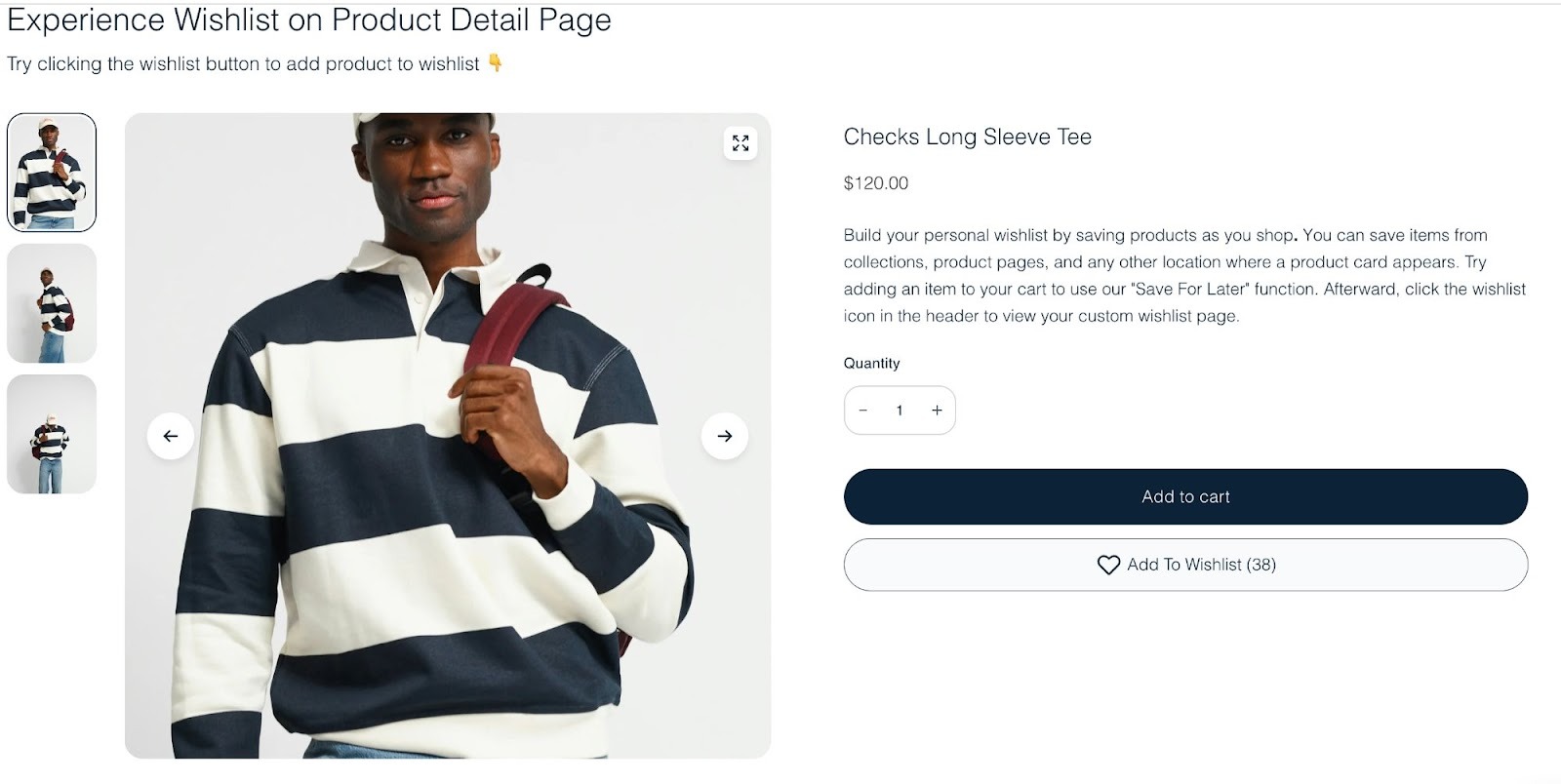
Unlike passive metrics such as pageviews or time on site, intent analysis focuses on deliberate actions. A shopper who saves a product to a wishlist, subscribes to a back-in-stock alert, or creates a curated list for an upcoming event is volunteering information about what they want to buy. These signals carry predictive power that inferred behavior cannot match.
The foundation of intent analysis is zero-party data. When a shopper explicitly tells you they want a specific product in a specific size, they have given you permission to act on that information. This data is not subject to cookie restrictions, iOS tracking limits, or third-party deprecation because the shopper handed it to you directly.
Customer intent represents the broader concept of understanding what drives purchase decisions. Intent analysis narrows that concept into a measurable framework, turning vague interest into trackable, actionable signals.
The difference between knowing your traffic exists and understanding what your traffic wants is the difference between reporting and revenue generation.
Why Traditional Analytics Miss the Revenue Opportunity
Most ecommerce dashboards track two ends of a spectrum: top-of-funnel activity like sessions and bounce rates, and bottom-funnel outcomes like conversions and revenue.
The middle disappears.
A shopper views a leather jacket on Monday during their morning commute. They return Tuesday evening on their laptop to check sizing details. On Thursday, they visit from a tablet to compare it against another style. On Saturday, they add it to their cart but close the browser to think it over.
Your analytics platform sees five separate sessions from five anonymous visitors. Without intent signals to connect those dots, you have no idea that all five sessions represent one high-intent shopper moving steadily toward a purchase.
The average purchase cycle takes 41 days and requires 6 to 8 touchpoints across devices and channels. Traditional analytics cannot stitch these journeys together because they rely on session-based tracking and cookie persistence. When shoppers switch devices or return after their session expires, the continuity breaks.
Intent analysis solves this by anchoring to explicit actions that persist regardless of device or session. A product saved to a wishlist on Monday is still there on Saturday, even if the shopper switched from mobile to desktop three times in between.
The Three Categories of Intent Signals to Analyze
Not all signals carry the same predictive weight. Intent data can be structured into three tiers based on how explicitly they reveal purchase readiness.
High-Intent Signals
Back-in-stock alerts, price drop subscriptions, and wishlist saves represent the strongest declarations of interest.
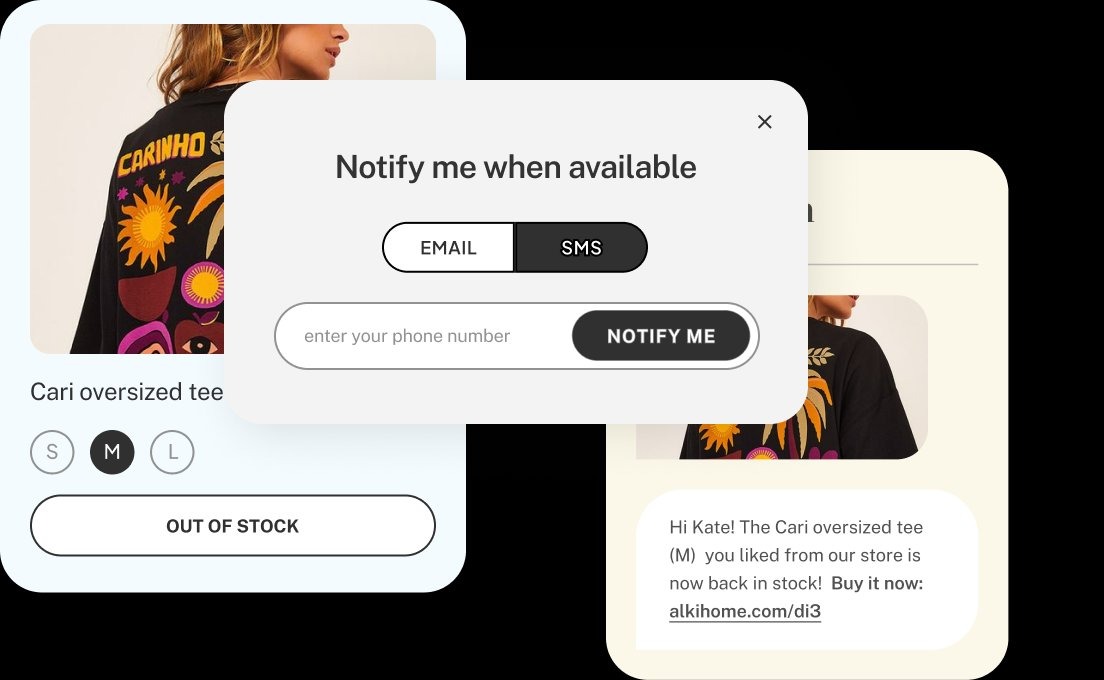
When a shopper requests a notification for an out-of-stock product, they are telling you exactly what they want to buy and exactly when they want to be contacted. Back-in-stock alerts generate a median of $63 per alert, proving that explicit intent converts at a significantly higher rate than broad campaigns.
Analysis here should focus on which products trigger the most alert requests and which variants are most in demand. If 200 shoppers request alerts for a jacket in size Medium but only 12 request size XXL, your inventory and merchandising decisions should reflect that disparity.
Medium-Intent Signals
Add-to-cart actions that do not convert, repeat product page views, and shared wishlists indicate consideration without commitment.
These signals reveal that a shopper is actively researching but has not yet decided to buy. Analysis should identify which products have the highest cart abandonment rates and whether certain categories require longer consideration windows. A $40 candle might convert in three days while a $2,000 sofa requires three weeks.
Medium-intent signals become valuable when tracked over time. A shopper who views the same product five times across two weeks is signaling high interest even if they have not taken an explicit action like saving or subscribing.
Ambient Signals
Browse patterns, category affinity, and session frequency provide context but lack the predictive precision of declared intent.
These signals are useful for segmentation and personalization but should not be the primary focus of intent analysis. A shopper who frequently visits your sportswear category might appreciate targeted campaigns, but that behavioral pattern does not tell you which specific products they want or when they are ready to buy.
Intent analysis prioritizes what shoppers explicitly tell you over what algorithms infer from their clicks.
How to Analyze Intent Signals for Revenue Impact
Intent analysis is only valuable if it translates into action. The framework below outlines how to structure analysis for maximum revenue impact.
1. Capture Intent at the Product and Variant Level
Product-level tracking matters more than customer-level demographics.
A shopper who saves three dresses in size Small should receive different re-engagement messages than one who saves the same dresses in size Large. Variant-level precision ensures that back-in-stock alerts and price drop notifications only trigger when the exact size and color the shopper wants becomes available.
Generic campaigns that ignore variant preferences waste the shopper's time and erode trust. If a shopper requested an alert for a black leather jacket in Medium and you notify them that the brown version in Large is back, you have broken the implicit contract that declared intent creates.
Swym captures intent at the variant level automatically, ensuring that every alert, reminder, and triggered message reflects the specific product details the shopper cares about.
2. Track Conversion Rates by Signal Type
Not all intent signals convert at the same rate, and analysis should reveal which signal types drive the highest ROI.
Back-in-stock alerts convert at 31% while wishlist reminders convert at 18%. Price drop subscriptions could generate higher average order values because shoppers add additional items when they return. Analyzing purchase intent signals by type allows you to prioritize automation triggers based on proven performance.
If back-in-stock alerts consistently outperform other signal types, you should invest more effort in encouraging alert subscriptions during the browsing experience. If wishlist reminders show strong performance but low volume, you should optimize the visibility of the wishlist feature across your site.
Revenue attribution by signal type also helps justify the investment in intent capture tools. When you can prove that back-in-stock alerts generated $40,000 in revenue last quarter, the platform cost becomes an easy decision.
3. Measure Time to Conversion from First Signal
Intent analysis should map how long it takes for different signals to convert into purchases.
If the average back-in-stock subscriber converts within 72 hours of receiving an alert, that signal represents high urgency. If wishlist savers take 21 days on average, you can adjust reminder cadence to avoid over-messaging early in the cycle.
Time-to-conversion data also reveals which products require longer consideration windows. High-ticket items or complex purchases naturally take more time, and your automation strategy should reflect that reality. A shopper who saves a $3,000 sectional sofa should not receive the same reminder schedule as one who saves a $50 throw pillow.
Understanding latent shopper intent means recognizing that not all intent converts immediately, but the signal still carries future revenue potential.
4. Analyze Cross-Device and Cross-Channel Behavior
Intent signals lose their value if they do not persist across devices and channels.
A shopper who saves a product on mobile but switches to desktop to complete the purchase represents a single intent journey, not two separate sessions. Analysis should confirm that your intent data syncs seamlessly so shoppers can pick up exactly where they left off regardless of how they re-engage.
Cross-device continuity also applies to in-store experiences. A shopper who builds a wishlist online and then visits a physical location should be able to access that same list via POS. Breaking continuity at any touchpoint resets the journey to zero and forces the shopper to rebuild their context from scratch.
Modern commerce is inherently multi-device and multi-channel. Intent analysis must account for that reality or risk fragmenting high-value journeys.

From Analysis to Activation: Turning Customer Intent Into Revenue
Knowing that 500 shoppers requested back-in-stock alerts for a specific jacket does not drive revenue unless you notify them when the jacket restocks.
The activation loop works like this:
- A shopper signals intent through a save, alert subscription, or list add.
- The platform captures that signal and syncs it across all devices.
- When trigger conditions are met—a restock, a price drop, or a time-based reminder threshold—an automated message goes out with personalized product details. Revenue is then attributed back to the original intent signal.
Here is a concrete example.
- A shopper saves a leather jacket on Monday.
- On Thursday, the jacket drops by 20%. An automated price drop alert goes out.
- The shopper clicks through, buys the jacket, and adds two other items from their wishlist. Total order value is $340. That revenue is directly attributable to the intent signal captured on Monday.
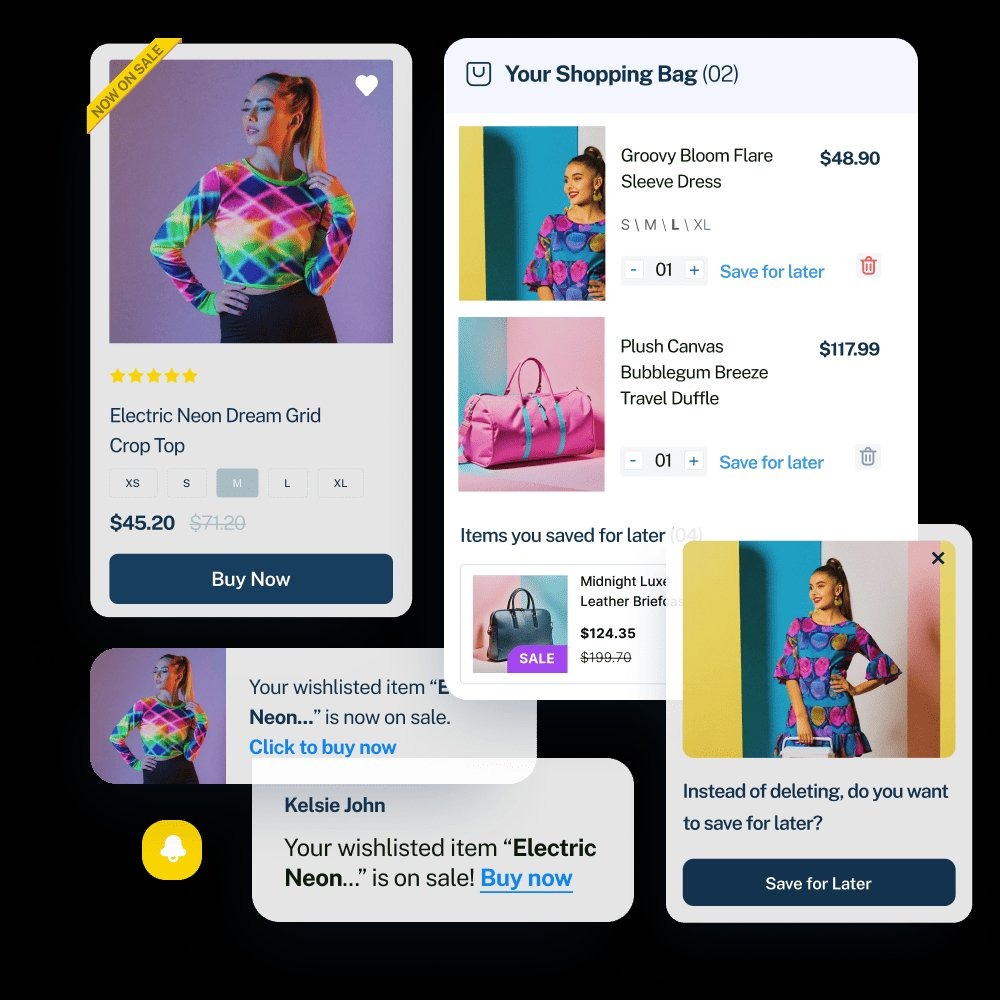
Without a customer intent platform that connects capture to activation, the cycle breaks. You might know the shopper wanted the jacket, but if you cannot trigger the alert when the price drops, the insight dies in a spreadsheet.
Most brands need three separate tools to execute this loop: a CDP for data storage, an analytics platform for insights, and an ESP for activation. That fragmentation introduces latency, data sync failures, and manual workflows that delay or prevent activation altogether.
Swym collapses the stack into a single intent-focused engine. Intent capture, analysis, and activation happen in one system, and intent data integration with platforms like Klaviyo ensures that triggered campaigns launch automatically when conditions are met.
The insight that a shopper wants a product in size Medium becomes valuable only when you can act on it instantly.
Capture the Products your Shoppers Truly Love
Swym Wishlist Plus lets shoppers save products they love, ensuring valuable customer intent is never lost and ready to convert.


.png)